
Newsletter Subscribe
Enter your email address below and subscribe to our newsletter

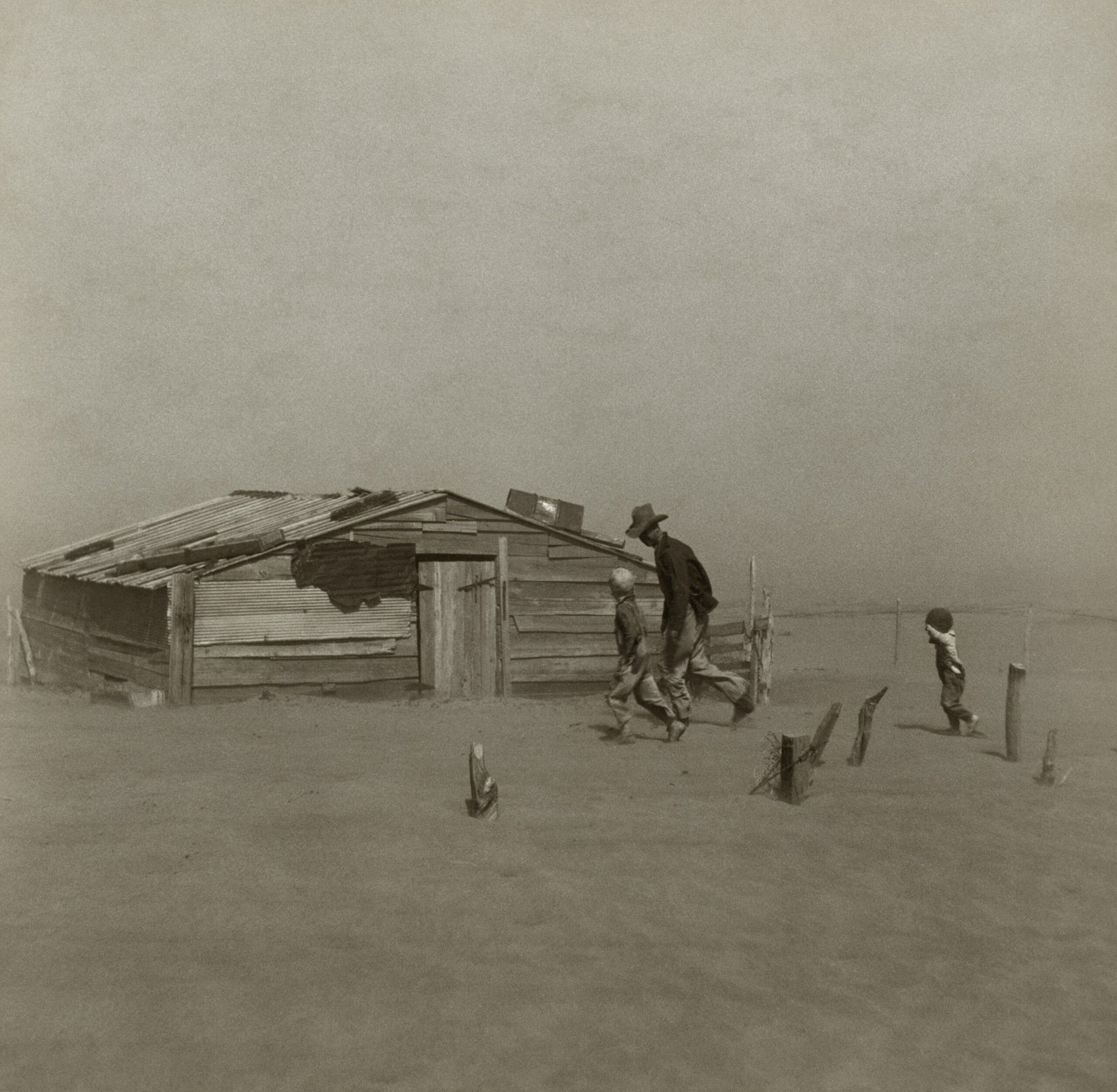
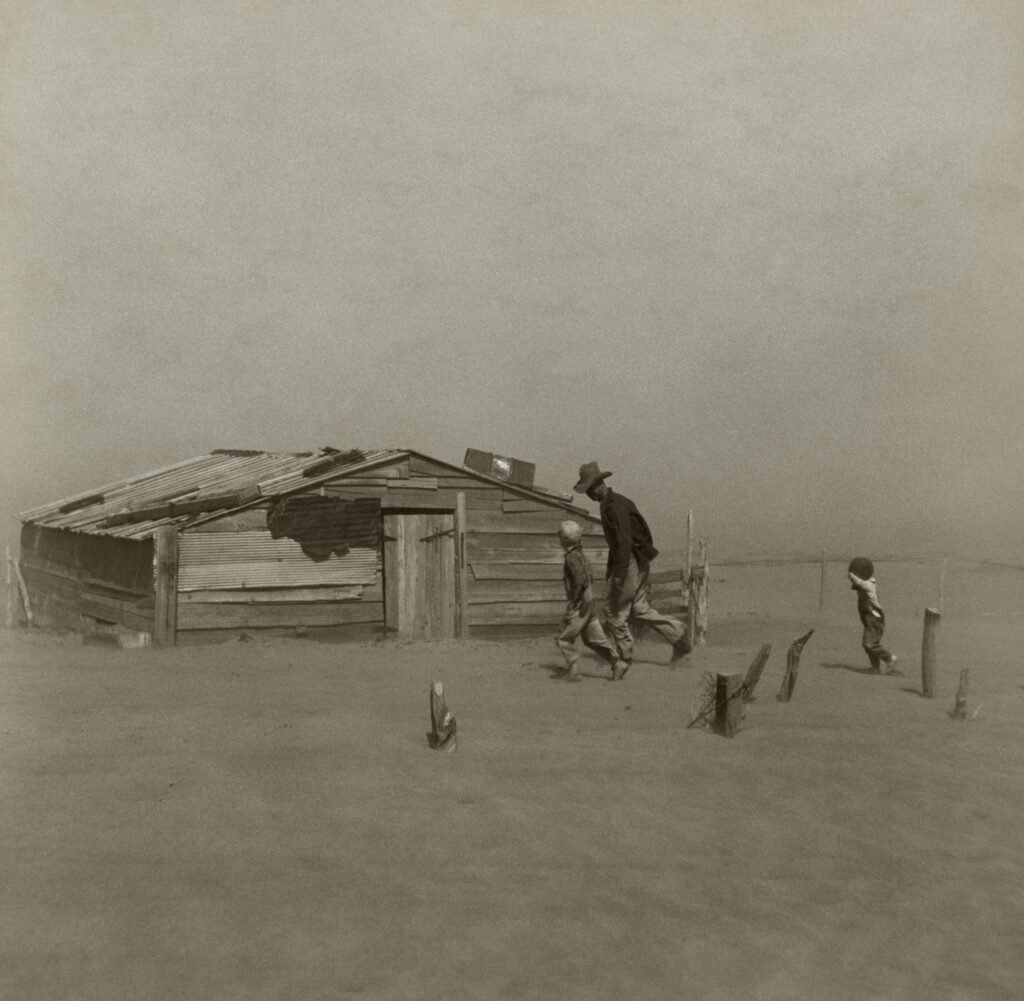
Through the 1930s, a combination of drought and poor farming practices turned huge stretches of the American Great Plains into dry, wind-blown wasteland.
Hundreds of thousands of families, unable to farm land that had literally blown away, packed what they could and headed west, hoping for work in California’s fields. Photographers documented the migration in images that remain some of the most recognizable of the era — hollow-eyed families, overloaded cars, makeshift roadside camps.
One photograph in particular, of a weathered mother surrounded by her children, became the defining image of the era — though the woman herself later said she never received any benefit or payment for a photo that made her a symbol of an entire national crisis.
These images did more than document suffering. They helped build public support for the government relief programs that followed.
Can a single photograph still change public policy the way these did in the 1930s?