





Newsletter Subscribe
Enter your email address below and subscribe to our newsletter

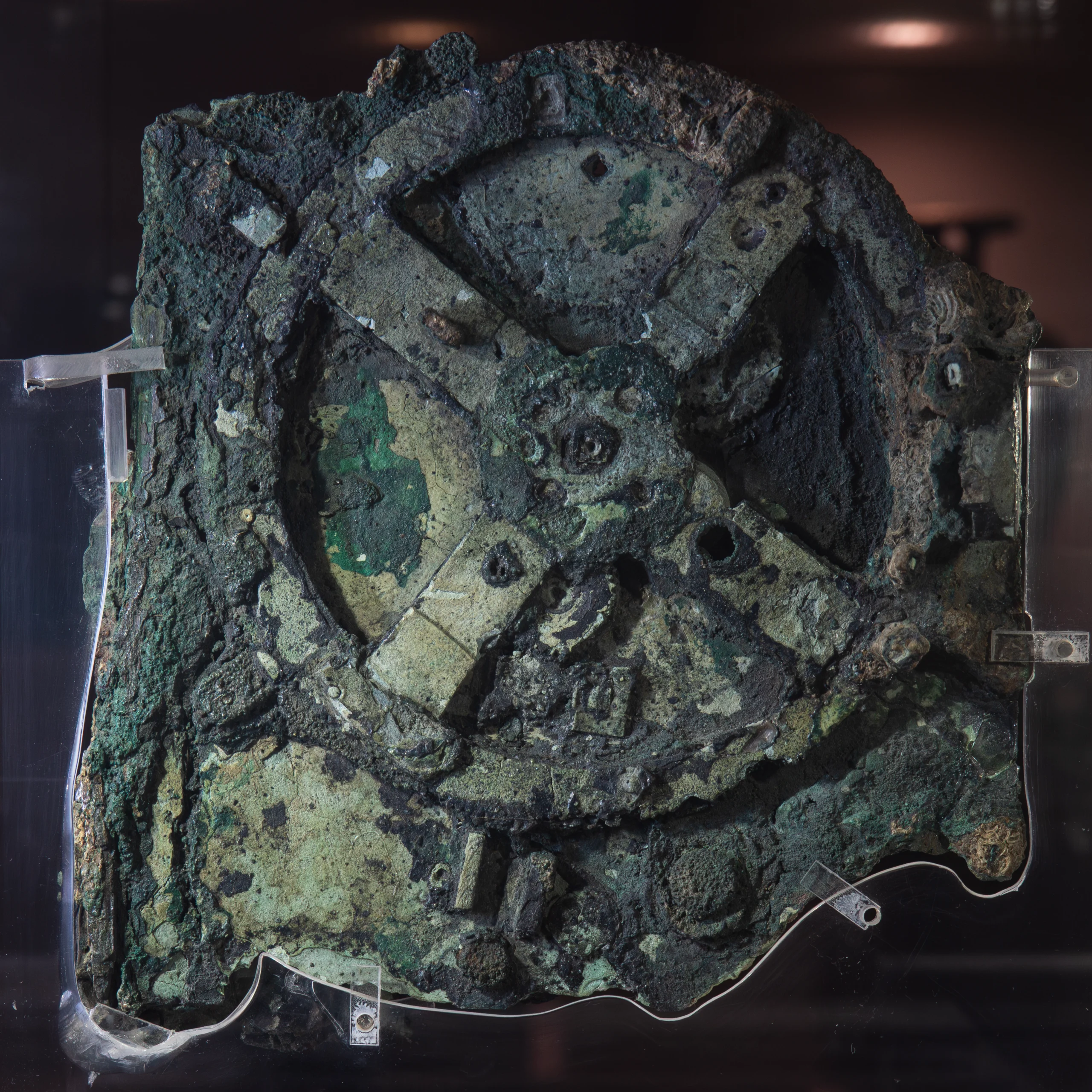
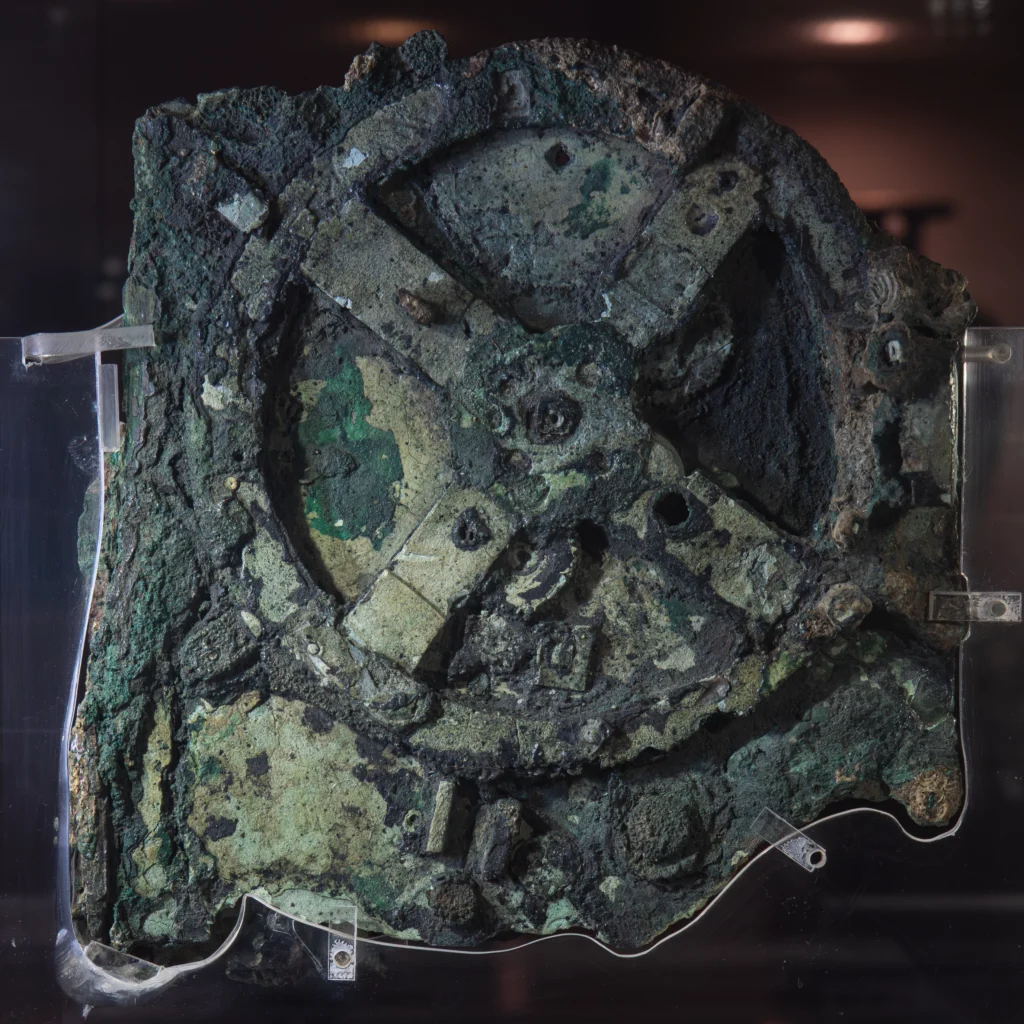
In 1901, sponge divers exploring a Roman-era shipwreck off a small Greek island pulled up a corroded lump of bronze that looked, at first glance, like scrap.
It would take almost a century of study, and eventually X-ray imaging, to reveal what it actually was: a geared mechanical device of extraordinary precision, built more than 2,000 years ago, capable of predicting eclipses and tracking the movements of the sun, moon, and possibly the planets.
Nothing of comparable complexity is known to have existed again in Europe for over a thousand years. The device’s more than 30 interlocking bronze gears rival clockwork that wouldn’t reappear until the Renaissance.
Historians still debate exactly who built it and how the knowledge behind it was lost. What’s certain is that ancient engineering was far more sophisticated than popular imagination usually gives it credit for.
If a machine like this could be forgotten for two millennia, what else from the ancient world are we still missing?