
Newsletter Subscribe
Enter your email address below and subscribe to our newsletter

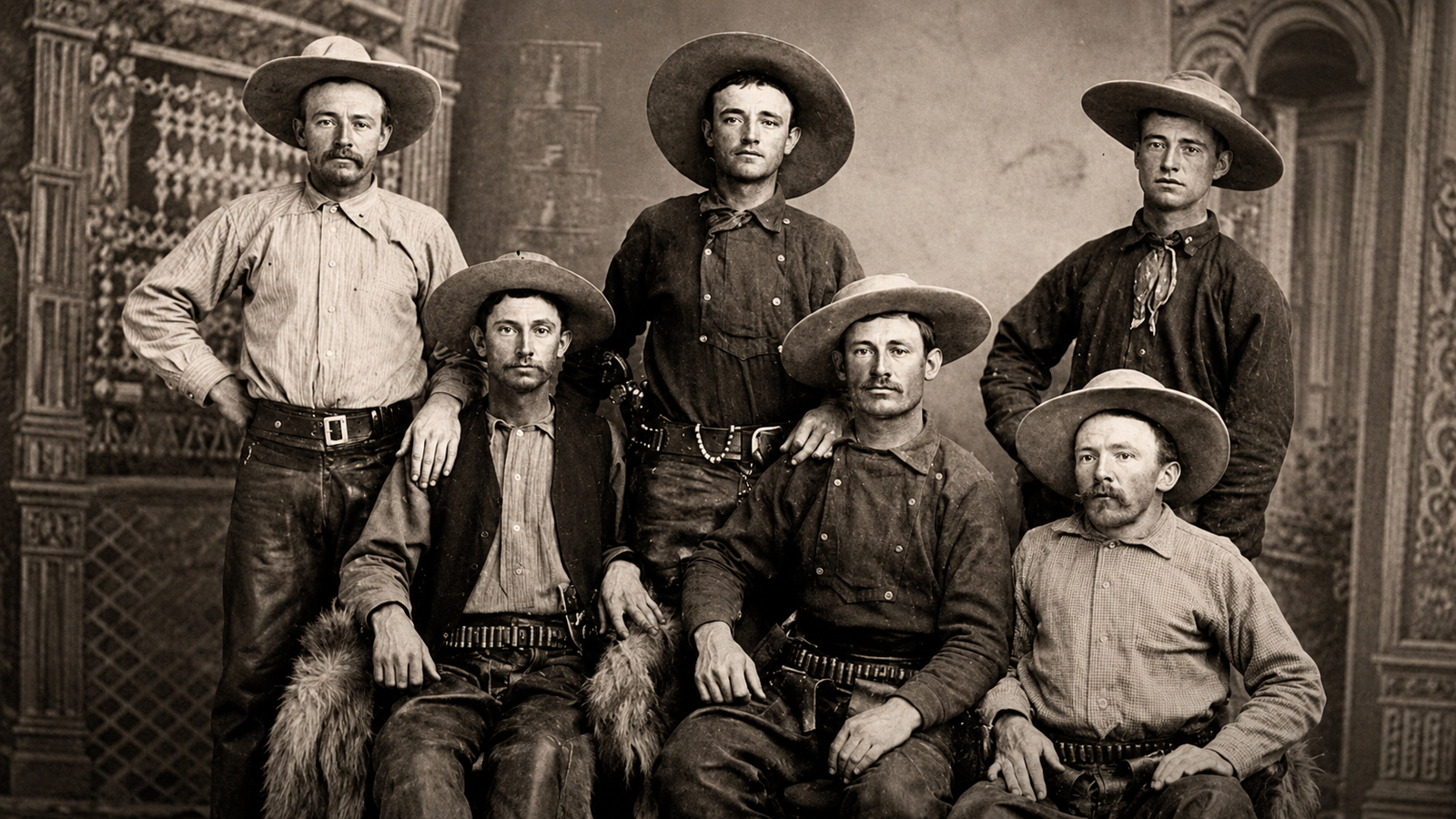
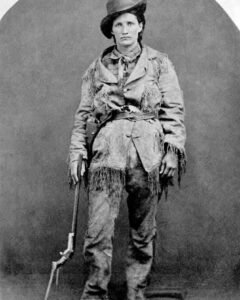
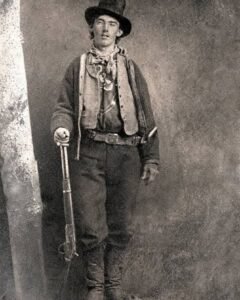
American cowboys from the 1800s looked very different from the polished gunslingers later created by Hollywood.
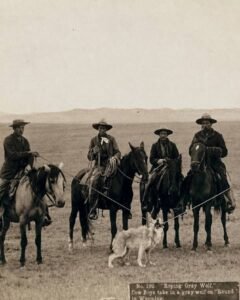
During the late 1800s, cowboys were primarily working men hired to move huge herds of cattle across open country to railroad depots and markets. Trail drives could last for months, forcing riders to endure extreme weather, dangerous river crossings, injuries, stampedes, and long days in the saddle.
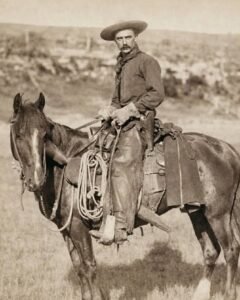
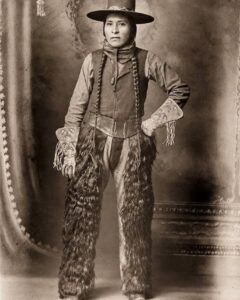
The cowboy workforce was also far more diverse than classic Western movies often suggest. The National Park Service estimates that about one in four cowboys was African American, while Mexican, Indigenous, and European-American cattle hands also played important roles in the industry.
Much of what Americans now associate with cowboy culture actually developed from the traditions of Mexican vaqueros. Techniques involving horseback cattle herding, the lariat, leather chaps, and even much of the vocabulary used by American cowboys came from earlier Spanish and Mexican ranching traditions.
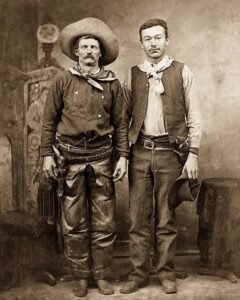
By the 1890s, barbed-wire fencing, expanding railroads, and changes in the cattle industry brought the great era of the long-distance cattle drive largely to an end. The cowboy, however, survived in American culture and eventually became one of the most recognizable symbols of the Old West