




Newsletter Subscribe
Enter your email address below and subscribe to our newsletter

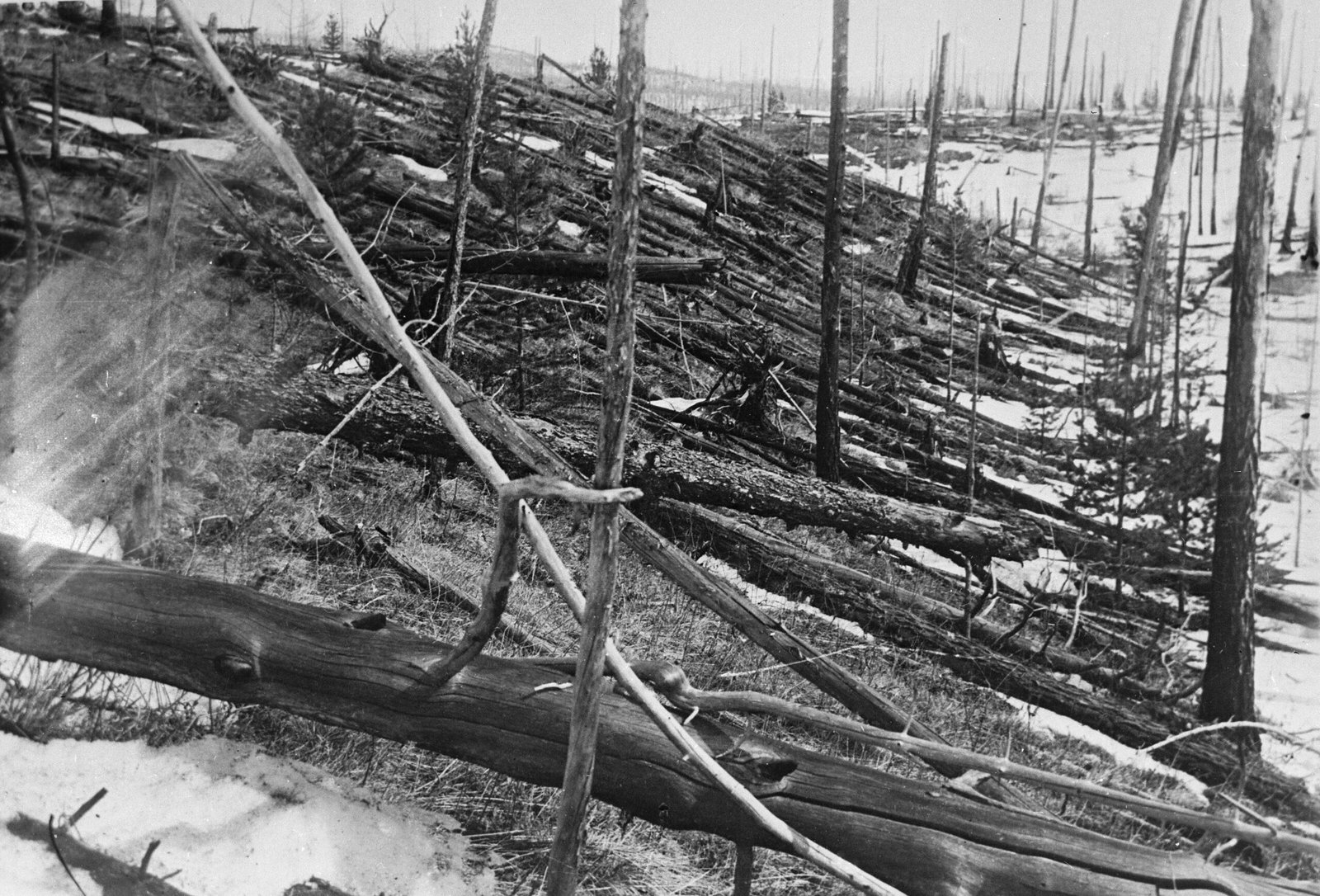
In 1908, a massive explosion flattened roughly 800 square miles of remote Siberian forest — with a force estimated at over a thousand times that of the atomic bomb dropped on Hiroshima.
Yet when expeditions finally reached the site years later, there was no crater and no meteorite fragments to explain it. Trees were scorched and flattened outward in a pattern radiating from a central point, but whatever caused it seemed to have vanished.
Most scientists now believe a stony asteroid or comet fragment exploded in the atmosphere several miles above the ground, releasing enormous energy without ever striking the earth directly, which explains the absence of an impact crater.
It remains one of the largest impact-related events in recorded history, and a sobering reminder of how little warning such an event would give.
If an event like Tunguska happened today over a populated area instead of remote forest, are we any better prepared for it?